
- Home
- New Pianos +
- Pre-Owned Pianos +
- About +
- Events +
- Services +
- Sign in
- 425-241-8835


We have the largest selection of pianos for sale in the Greater Seattle Area. We offer new Fazioli, Kawai, Sauter, Petrof, Hailun and Casio pianos. Along with a wide selection of pre-owned Steinway upright and grand pianos, we have certified pre-owned Yamaha Pianos. We also carry most brands of pre-owned pianos.
我们有大西雅图地区最多的钢琴选择:全新的Fazioli, Sauter, Petrof, Hailun 和Casio。 同时我们还有大量的二手斯坦威钢琴和经过认证的二手雅马哈和卡瓦伊钢琴可供您挑选。除此之外我们还提供其他大多数品牌的二手钢琴。

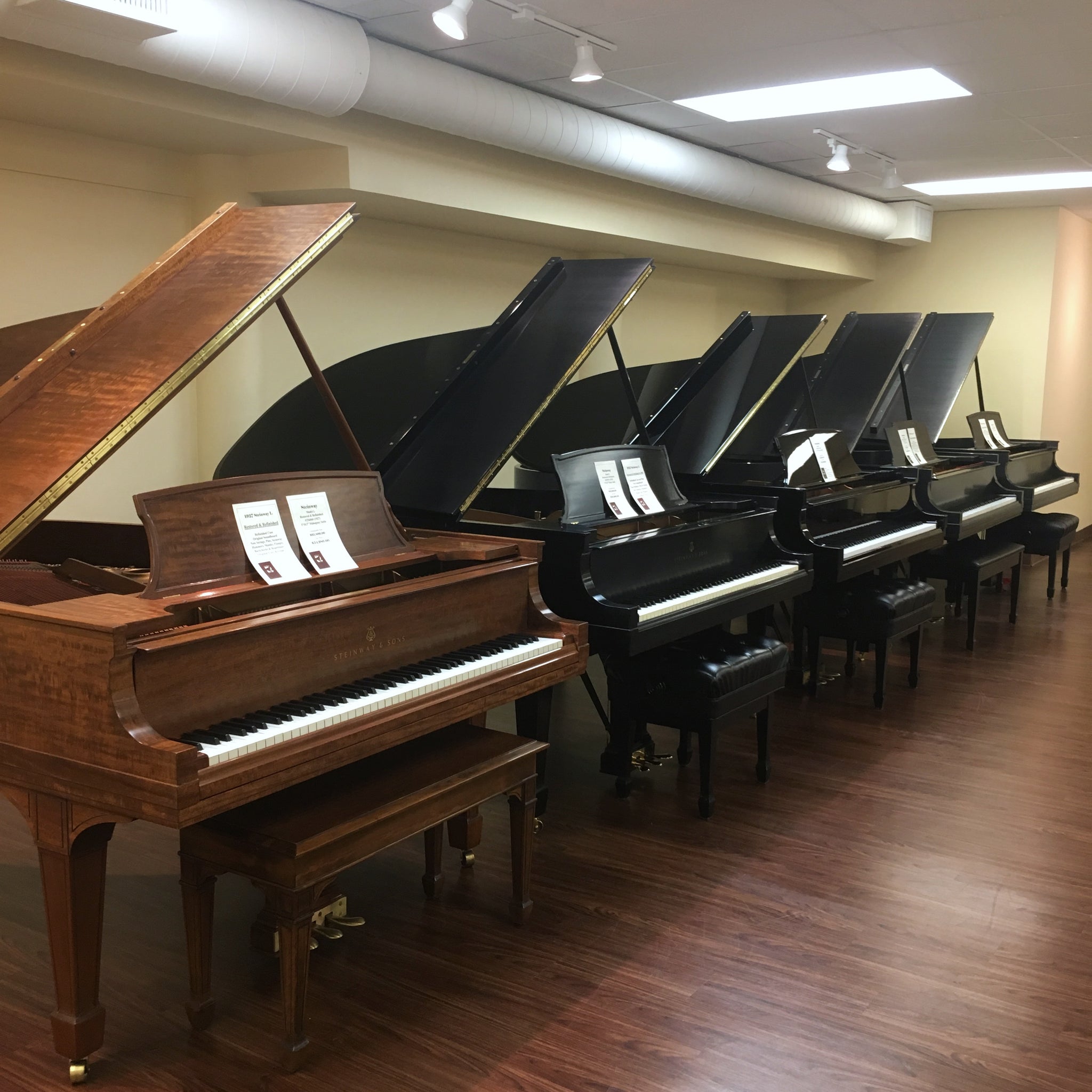
Featuring the finest pianos from around the world.
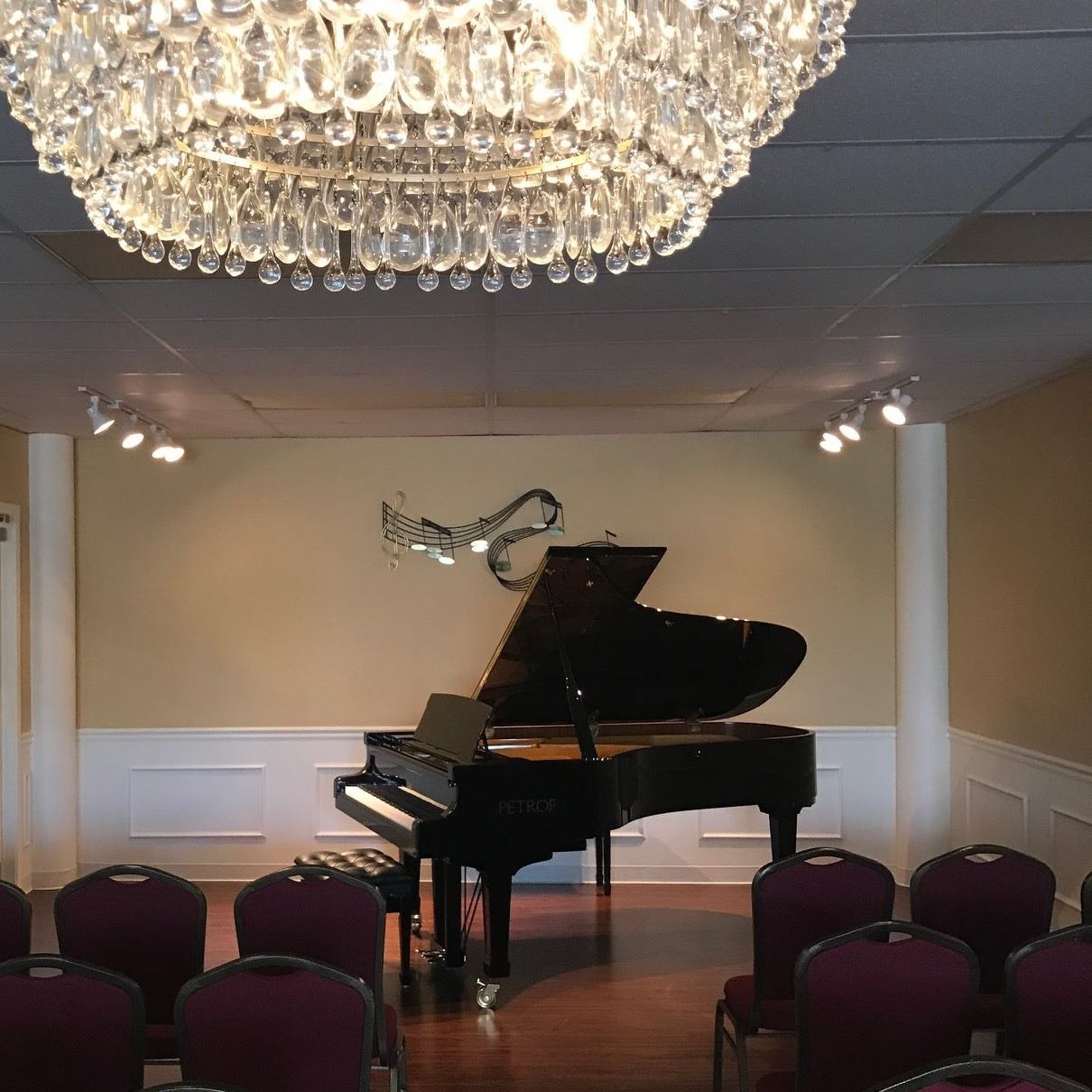
The perfect space for recitals, concerts, rehearsals and meetings.
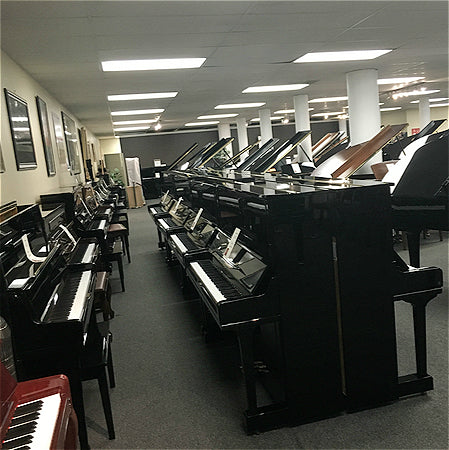
Our pre-owned Yamaha and Kawai upright and grand pianos are certified by JUPA (Japanese Used Piano Association) and have received a grade A rating in the Action, Soundboard, Pins, Keys, and Body.











Bonn — the city where Beethoven was born in 1770 — just wrapped up its month-long Beethovenfest, which ran from September 3 to October 3, 2026.
It was a homecoming in more ways than one. The festival's main venue, the Beethovenhalle, reopened in December 2025 after being closed for almost ten years of renovation. This September it was back at the center of the festival, with the London Symphony Orchestra opening the program.

The world of piano music is having a remarkable moment. From concert halls to streaming playlists to social media feeds, the piano is more culturally visible than it has been in decades. Here's a look at the biggest trends shaping how we listen to, play, and think about piano music right now.

It's never been a better time to learn the piano. Whether you're a complete beginner, a parent considering lessons for your child, or an adult who always meant to pick it up, here are ten compelling reasons why learning piano is one of the best decisions you can make — backed by research and decades of music education evidence.

Shopping for a digital piano in 2026 can feel overwhelming. The market is flooded with options across every price point, and the technical specifications — weighted keys, polyphony, touch sensitivity, sound engines — can make it hard to know where to start. This guide cuts through the noise and gives you the key things to look for when choosing a digital piano, whether you're buying for yourself or for a child just starting out.